• Understanding Boat Insurance Options for Texas Owners

    Owning a boat in Texas offers plenty of exciting opportunities to explore lakes, rivers, and the Gulf Coast. However, protecting your investment is just as important as enjoying it. Boat insurance in Texas helps shield you from costly accidents, unexpected weather, and other risks on the water. While not every boat owner considers insurance necessary, understanding your options can bring peace of mind. Making smart choices about insurance allows you to relax and focus on your time outdoors. Before setting sail, every Texas boat owner should know why coverage matters and how to choose the right policy. With a little research, you can protect both your boat and your wallet.

    Why Boat Insurance Matters for Texas Watercraft Owners

    Boat insurance offers crucial protection for Texas boat owners, often saving them from financial disaster after accidents. Because Texas lakes and coastal areas see so much activity, accidents happen more often than many expect. Even experienced boaters can face collisions, weather damage, or theft when out on the water. As a result, having boat insurance means you will not have to cover the full cost of repairs or liability yourself. Without coverage, even a small mishap could result in huge out-of-pocket expenses.

    In Texas, liability is a major concern for anyone navigating busy waterways. If you accidentally damage another person’s boat or injure someone, liability insurance helps pay for medical bills and repairs. Moreover, Texas law may not require boat insurance, yet marinas and lenders could demand proof of coverage to use their facilities. Choosing to insure your boat means you can relax knowing you meet these requirements and avoid potential legal issues. When you protect yourself financially, you also protect your future boating adventures.

    The weather in Texas can be unpredictable, and severe storms can strike with little warning. Strong winds, hail, and flooding have damaged many boats in the region each year. For that reason, boat insurance provides valuable support after natural disasters and can help get you back on the water quickly. With comprehensive coverage, you will not be left struggling to pay for costly repairs or replacement. Texas boat owners who value their investment find insurance essential for their peace of mind.

    Types of Boat Insurance Policies Available in Texas

    Texas boat owners can choose from several types of insurance policies to match their needs. The most basic type is liability insurance, which covers damage or injuries you cause to others while boating. While it does not pay for your own boat’s repairs, liability coverage is often required by marinas or lenders. Many boaters in Texas select liability coverage as a foundation before adding more protection.

    Comprehensive insurance offers broader coverage, giving peace of mind against theft, vandalism, fire, and weather-related damage. When you have comprehensive insurance, your boat is protected both in and out of the water. For valuable boats or those stored in risky locations, comprehensive plans make sense. Policies can also include protection for equipment, personal items, and towing costs if your boat breaks down.

    Some Texas insurers provide agreed value and actual cash value policies, which determine how much you receive after a total loss. Agreed value coverage pays a pre-determined amount, usually the value when you buy the policy. Actual cash value policies consider depreciation and pay what your boat is worth at the time of loss. Many owners review both options to find the best fit for their budget and needs. Customizing your policy ensures you are not caught off guard by unexpected events.

    Key Factors to Consider When Choosing Coverage

    Before choosing a boat insurance policy in Texas, you should carefully assess your needs and risks. Factors like your boat’s age, type, and value all play vital roles when picking the right policy. Larger or newer boats usually need more coverage due to higher repair and replacement costs. If you use your boat frequently or host guests, you may want higher liability limits. By considering every angle, you can avoid paying for unnecessary extras.

    Where you use and store your boat makes a big difference in coverage needs. Boating on the Gulf Coast often involves more severe weather risks compared to inland lakes. Storing your boat outside exposes it to theft or storm damage, while secure storage may reduce your premiums. Texas boat owners should always check if their policy covers damages both on and off the water. Some companies might offer discounts for safety courses or advanced security features.

    Reading your policy thoroughly also helps you avoid surprises after an accident. Be sure your coverage includes towing, salvage, and uninsured boater protection if needed. Sometimes, a policy might not cover racing or using your boat for business, so check all exclusions. If you own expensive gear or electronics, ask your insurer about additional personal property coverage. By comparing quotes and asking questions, you find a policy that fits your lifestyle and budget.

    Tips for Saving Money on Your Texas Boat Insurance

    Finding affordable boat insurance in Texas requires a bit of research and planning. Comparing quotes from several insurers helps you spot the best deals and identify coverage differences. You can also save money by choosing a higher deductible, which lowers your monthly premiums. Many Texas boat owners ask their current auto or home insurance provider about multi-policy discounts. Bundling your coverage often leads to significant savings.

    Maintaining a clean boating record also reduces your insurance costs over time. Safe boating habits mean fewer claims, which insurers reward through lower rates. Insurers may offer discounts if you complete a safety course from an accredited provider like the US Coast Guard. Installing anti-theft devices, alarms, or GPS trackers on your boat can decrease your risk profile. Texas insurers appreciate proactive steps and may lower your premiums as a result.

    Reviewing your policy each year also ensures you are not paying for unnecessary extras. If your boat’s value decreases or you use it less frequently, you may qualify for a lower premium. Many boat owners in Texas adjust their coverage when their boating habits change. Shopping around each renewal period prevents you from missing out on new discounts or special offers. Taking a little time each year can add up to big savings over the long run.

    Conclusion

    Boat insurance in Texas is more than just a smart financial decision; it is essential for anyone who wants to protect their watercraft and enjoy boating with confidence. With so many lakes, rivers, and coastal waters available, Texans face a unique set of risks both from nature and from crowded waterways. By understanding the different types of policies available, you can tailor your coverage to fit your boat, usage, and storage needs. Considering key factors such as boat value, location, and personal property further ensures you are not caught off guard by costly surprises. Saving money on your premium often comes down to safe boating, smart shopping, and regularly reviewing your policy for new discounts.  
  • Comparing Different Texas Auto Insurances

    Choosing the right auto insurance in Texas can feel overwhelming because there are so many options. Every provider offers different coverage, costs, and benefits. Texans need to know what factors matter most before making a decision. By understanding the basics, drivers can protect themselves and their vehicles better. Comparing the top providers can help you find a plan that fits your needs and budget. Knowing what to look for saves time and money in the long run. Whether you drive in busy Houston or on rural roads, the right insurance matters. With clear information, you can feel confident about your insurance choice.

    Key Factors to Consider When Choosing Texas Car Insurance

    When shopping for auto insurance in Texas, it is essential to look at coverage options. Many drivers only consider the minimum liability required by the state, but higher coverage can offer more protection. Companies also offer extra features such as roadside assistance and rental car reimbursement, which can prove valuable after an accident. Every driver should evaluate their risk level and driving habits to determine how much coverage they truly need. Some providers have better reputations for handling claims efficiently, so reading reviews can help you spot the best ones.

    Another important factor is customer service quality. Friendly, accessible support can make a big difference after an accident or during stressful times. Many companies now offer mobile apps and online claim filing, which makes the process smoother. Comparing customer satisfaction scores across companies can shed light on how helpful they are in real situations. Often, local Texas agents provide personalized support, so finding a provider with a strong community presence could be beneficial. Excellent customer service can help you feel more secure about your policy.

    Price should never be the only factor, but it is a major consideration for many Texans. Each company uses its own formula to calculate premiums, so rates can vary widely. Shopping around and getting quotes from several providers is smart. Factors such as your age, driving record, vehicle type, and even your ZIP code can affect your rate. It helps to review your options every year since prices and discounts can change. By weighing price with coverage and service, you can make a smart and informed decision.

    Comparing Coverage Options Among Top Texas Providers

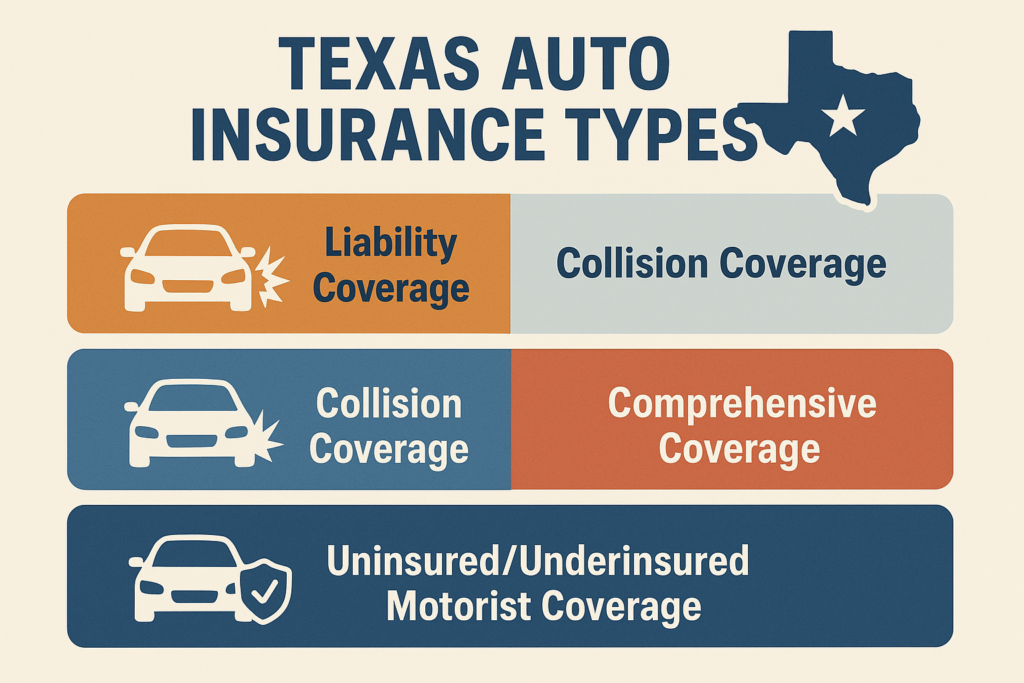
    Top Texas auto insurance companies offer a range of coverage types. Most provide basic liability, but you will also find comprehensive, collision, and uninsured motorist options. Some insurers, like State Farm and Allstate, include additional perks such as accident forgiveness or new car replacement. Because not all companies offer the same extras, you should compare each policy carefully. Optional coverage, such as roadside assistance or gap insurance, can make a big difference after an accident.

    Different providers may also focus on certain customer groups. For example, USAA serves military families with specialized policies and unique benefits. GEICO is known for affordable coverage and quick online services, while Progressive offers customizable plans and discounts for safe drivers. By comparing the strengths of each company, you can find unique features that suit your situation. Many Texas drivers prefer carriers with flexible options for both policy add-ons and payment schedules. When comparing, always check for restrictions or requirements that could affect your coverage.

    Besides the coverage types, policy limits, and deductibles play a crucial role in your protection. Higher limits provide more financial security but often come with higher premiums. Deductible amounts also affect your out-of-pocket costs if you file a claim. Because every company sets different limits and deductible options, you should review each offer with care. Asking about bundling options for home and auto insurance can save money and add convenience. Ultimately, understanding the fine print ensures you get the protection you need without surprises.

    Analyzing Costs and Discounts Across Major Insurers

    Car insurance costs in Texas depend on many factors, including age, driving history, car model, and even your credit score. Some companies weigh these factors more heavily than others, resulting in price differences for the same coverage. For instance, younger drivers may find better rates with companies known for student discounts, while experienced drivers might benefit from loyalty programs. By gathering quotes from at least three different insurers, you can spot the best deal for your situation. Comparing these estimates side by side helps eliminate overpriced options.

    Discounts can greatly reduce your auto insurance bill, so it is important to ask about every possible saving. Many companies reward safe driving, multiple policies, good grades for students, or even vehicles with safety features. Texas drivers often qualify for discounts by taking defensive driving courses or paying their premiums in full. Some insurers offer programs that track your driving habits and provide additional discounts for cautious behavior. By choosing a provider with generous discount options, you can keep your premiums affordable without sacrificing coverage.

    It helps to review how each insurer handles rate increases and renewals. Some companies offer “rate lock” features or accident forgiveness, which can prevent your rates from spiking after a claim. Others reward long-term customers with loyalty discounts. Always check if your quote includes all possible discounts and if you qualify for additional savings over time. Regularly comparing rates and discounts ensures you keep getting the best value as your needs change. Asking for a detailed explanation of your quote helps you avoid hidden fees or coverage gaps.

    Making the Best Choice for Your Texas Auto Insurance Needs

    Choosing the right auto insurance in Texas means balancing coverage, cost, and customer service. Every driver should start by listing priorities, such as low deductibles or specific policy add-ons. Next, gathering quotes from several top-rated providers helps compare options more effectively. You should also read customer reviews and ask friends or family about their experiences. Local agents can provide valuable insights based on your area and driving habits. Making a checklist of must-haves helps keep the decision process organized.

    Understanding how claims are handled is just as important as the price. Fast and fair claims service can make a big difference after an accident. Some companies process claims online, while others still use traditional methods. By considering how easy it is to file and track a claim, you avoid unnecessary stress later. Checking customer satisfaction ratings can also give you peace of mind. Many Texas drivers appreciate insurers that offer flexible payment options or 24/7 customer support.

    Finally, reviewing your policy every year ensures your coverage still meets your needs. Life changes, such as buying a new car or moving to a different city, can affect your rates and required coverage. Staying in contact with your agent and asking questions about new discounts or policy updates keeps you informed. Comparing policies regularly helps you spot better options and avoid paying too much. By staying proactive, you make sure your auto insurance remains a good fit, no matter how your life changes.

    Conclusion

    Finding the right Texas auto insurance does not have to be complicated. By focusing on coverage, cost, and customer service, you can confidently narrow down your options. Comparing the top providers helps you understand what makes each one unique, so you find the best match for your needs. Seeking out discounts and carefully reading each policy ensures you get the most value for your money. Asking questions and talking to local agents can provide extra reassurance and helpful advice. With so many choices available, it pays to be thorough and patient in your research. Your driving history, car model, and personal preferences all play a role, so your choice should reflect your unique situation.  

  • Comparing Auto Insurance Rates in Texas and Florida for Drivers

    Shopping for auto insurance can feel overwhelming, especially when comparing rates across different states. Many drivers in Texas and Florida wonder why their premiums differ and what factors truly affect their monthly bills. Understanding how insurers calculate rates in both places can help you find the best deal possible. Additionally, understanding the factors that matter most in each state can have a significant impact on your wallet. If you drive in either Texas or Florida, it pays to stay informed about your insurance options. By focusing on these crucial details, you can protect both your car and your finances. In this article, you’ll learn about how insurance rates are set, what influences your premium, and how to shop smarter in both states.

    Understanding How Auto Insurance Rates Are Set

    Auto insurance companies like this use a complex formula to determine how much you pay for coverage. First, insurers assess your risk as a driver by looking at your driving record, age, and even your credit score. Next, they evaluate the type of car you drive, considering factors like its safety ratings, repair costs, and likelihood of theft. Additionally, your location plays a significant role, as areas with higher accident or crime rates tend to result in higher premiums.

    State regulations also impact the way rates are set, often requiring minimum levels of coverage. For example, both Texas and Florida have different mandatory coverage types and limits, which insurance providers must factor into their calculations. Insurers must comply with these legal requirements, and as a result, the average cost of coverage can vary widely from state to state.

    Furthermore, insurance companies consider broader trends, such as regional weather patterns, medical costs, and the frequency of lawsuits. These trends can push rates higher, particularly in areas prone to natural disasters or where accident claims are common. Consequently, understanding how these variables interact gives you a clearer picture of why your rate might be higher or lower than someone else’s.

    Key Factors Influencing Premiums in Texas and Florida

    While some factors influencing auto insurance are universal, several elements affect Texas and Florida drivers in unique ways. In Texas, urban sprawl and heavy traffic in cities like Houston and Dallas often increase the risk of collisions, which can lead to higher insurance costs. On the other hand, rural drivers in Texas may see lower rates due to fewer vehicles on the road and a lower risk of accidents.

    In Florida, severe weather is a constant concern, and frequent hurricanes or floods can drive premiums up. Moreover, the state has a high percentage of uninsured drivers, which forces insurers to charge more to cover potential losses. Additionally, Florida utilizes a no-fault insurance system, meaning your own insurer pays for your injury claims regardless of who caused the crash, which can also drive up costs.

    Both states also see the effects of regional crime rates on premiums. Areas with higher rates of vehicle theft or vandalism naturally result in pricier insurance policies. Therefore, your home address within either Texas or Florida can make a significant difference in what you pay for auto coverage each year. Many drivers overlook these local nuances, but they can significantly impact your overall insurance expenses.

    Comparing Average Costs for Drivers in Both States

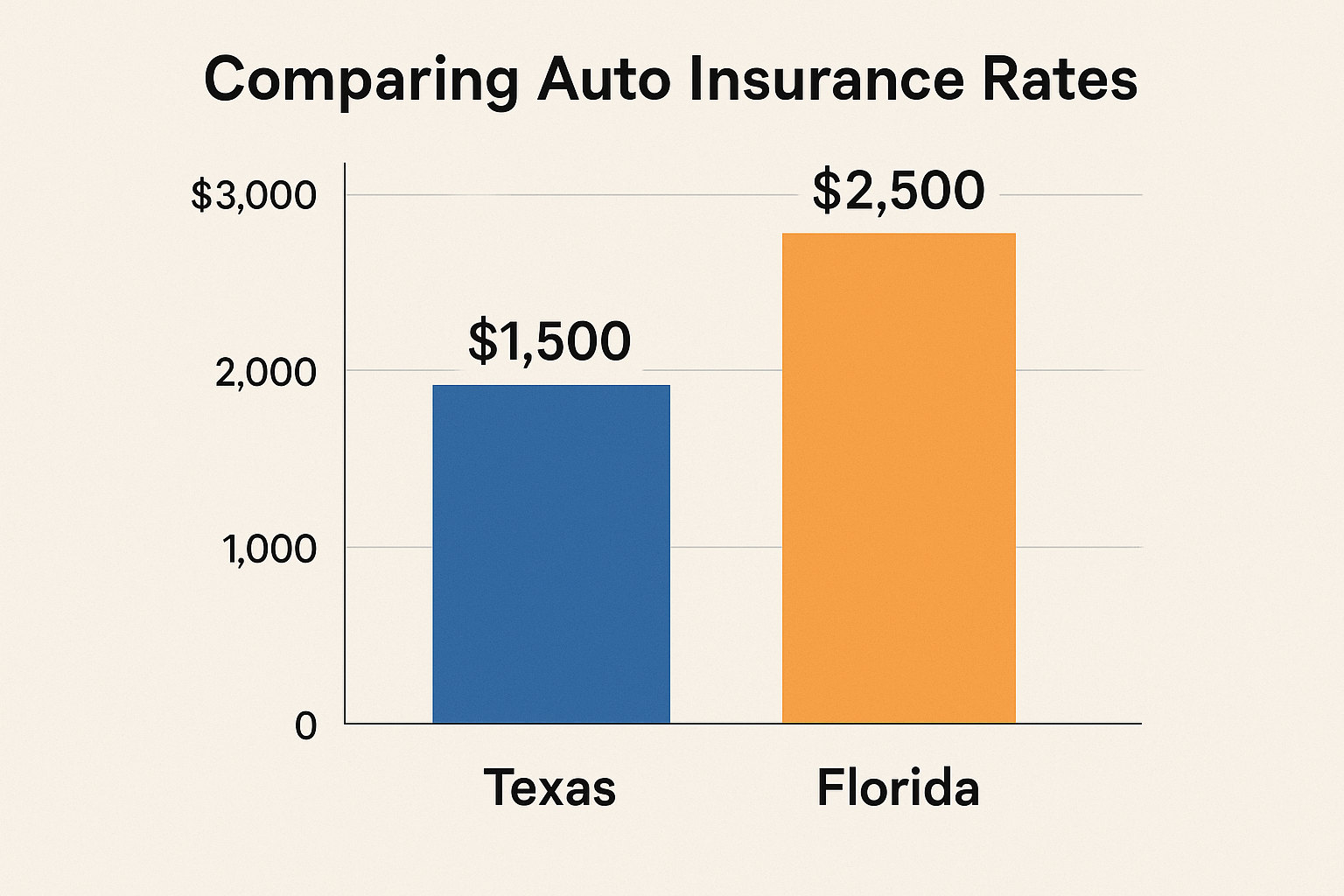
    When comparing average auto insurance costs, Texas and Florida usually rank among the pricier states in the United States. Recent studies indicate that Florida drivers pay some of the highest premiums nationwide, primarily due to factors mentioned earlier, such as severe weather and a high number of uninsured motorists. In fact, the average annual premium in Florida often exceeds 2,400 dollars, making it a challenge for many families.

    In Texas, rates tend to be somewhat lower, usually averaging about 1,800 to 2,000 dollars per year, depending on your city and driving history. Although Texas also faces risks like hailstorms and dense urban traffic, the state’s insurance markets are competitive, which can help keep rates in check for careful drivers. Overall, while Texans may pay less than Floridians on average, both states remain above the national average for auto insurance rates.

    However, individual premiums can vary widely within each state. For instance, a driver in Miami might pay far more than someone in rural North Florida, just as a Houston resident could see higher rates than someone in West Texas. Therefore, shopping around and understanding local conditions are both crucial when seeking the best possible rate for your personal situation.

    Tips for Finding the Best Auto Insurance Deals

    To get the best auto insurance deal, start by comparing quotes from several reputable companies. Many insurers offer online tools that allow you to compare different rates side by side. Additionally, it is essential to review customer service ratings and financial stability before making a decision. A lower premium means little if the company cannot handle claims efficiently.

    Next, consider raising your deductible if you can afford it, since higher deductibles often result in lower monthly payments. When reviewing your policy, check for discounts that apply to you, such as those for safe driving, bundled policies, or even good student grades. Furthermore, some insurers reward drivers for installing anti-theft devices or completing defensive driving courses, so be sure to ask your provider about all available savings.

    Lastly, make it a habit to review your policy at least once a year, especially if you move, buy a new car, or experience other significant life changes. Life events can significantly impact your rate, and regular checkups ensure that you never pay more than necessary. By remaining proactive, you can continually improve your chances of finding the most affordable and effective auto insurance coverage.

    What Texas and Florida Drivers Need to Know Moving Forward

    Drivers in both Texas and Florida should stay informed about changes in state insurance laws and requirements. Lawmakers occasionally update the minimum coverage requirements, which can affect how much you pay in premiums. Therefore, it is essential to regularly review state guidelines to ensure compliance and avoid any potential legal issues.

    Staying vigilant about your driving habits can also help keep your premium as low as possible. Safe drivers often enjoy significant discounts, and avoiding tickets or accidents makes a real difference on your bill. Moreover, maintaining a good credit score matters, since many insurance providers use credit information to help set your rates.

    If you plan to move between Texas and Florida, always compare new quotes before changing your address. Insurers often adjust premiums based on local risks, so a rate that works in one city may not be the lowest available in another. By keeping an eye on your coverage and staying up to date with state regulations, you can make informed choices that save you money and keep you protected on the road.

    Summary

    Navigating the world of auto insurance can sometimes feel complicated, especially if you are comparing rates between two states like Texas and Florida. Each state has its own unique risks and regulations that contribute to the average cost of auto coverage. In Texas, factors such as urban congestion and competitive insurance markets influence your premium, while in Florida, severe weather and a high rate of uninsured drivers drive costs even higher. However, you can take control of your expenses by shopping around, seeking out discounts, and maintaining safe driving habits. Always review your policy details annually, as your needs and circumstances are likely to change. Being proactive about your insurance choices can lead to significant savings over time.

    Additionally, staying informed about state laws ensures that you remain protected and legal on the road. Regardless of where you live, understanding these key differences and following innovative shopping practices enables you to make informed financial decisions. Ultimately, by doing your homework and paying attention to what matters most in your state, you can secure the best possible auto insurance deal for your needs.

Factors Shaping Everyday Realities